
Similar appearances, different approaches
A clean concrete floor can suit a contemporary home, a commercial interior, or a practical work space. Two terms often come up during planning: grind and seal and polished concrete. Both can expose the character of the existing slab, but they are not interchangeable descriptions of the same process.
Knowing the difference helps you ask better questions about appearance, protection, maintenance, and budget. Start with the concrete you already have. Repairs, aggregate, previous coatings, and variations in the slab may remain part of the finished look.
What grind and seal means
In a grind-and-seal approach, the concrete is mechanically prepared and a suitable sealer or coating system is applied. The applied finish contributes to the appearance and protection of the surface. The specific products determine the expected wear, chemical resistance, and future maintenance requirements.
Ask how the proposed sealer suits the room and whether moisture conditions affect its suitability. A sealed floor may need a maintenance or recoating plan over time. It should not be described as maintenance-free, and a clear finish does not make every existing slab look identical.
What mechanically polished concrete means
Mechanically polished concrete is refined through a sequence of abrasive steps to reach the selected appearance. A densifier and a stain-protection treatment may be part of the process. The level of aggregate exposure and sheen depends on the slab and the polishing specification.
Polishing is not simply applying a glossy coating. Discuss the desired look, traffic, cleaning routine, and any expected exposure to spills. Even a carefully finished concrete floor requires care; clean up spills promptly and follow the specified maintenance instructions.
Why the slab assessment matters
Existing paint, adhesive, cracks, weak areas, and moisture can change the scope of preparation. Some floors are good candidates for a visible-concrete finish; others may be better suited to a coating system after appropriate preparation and repairs.
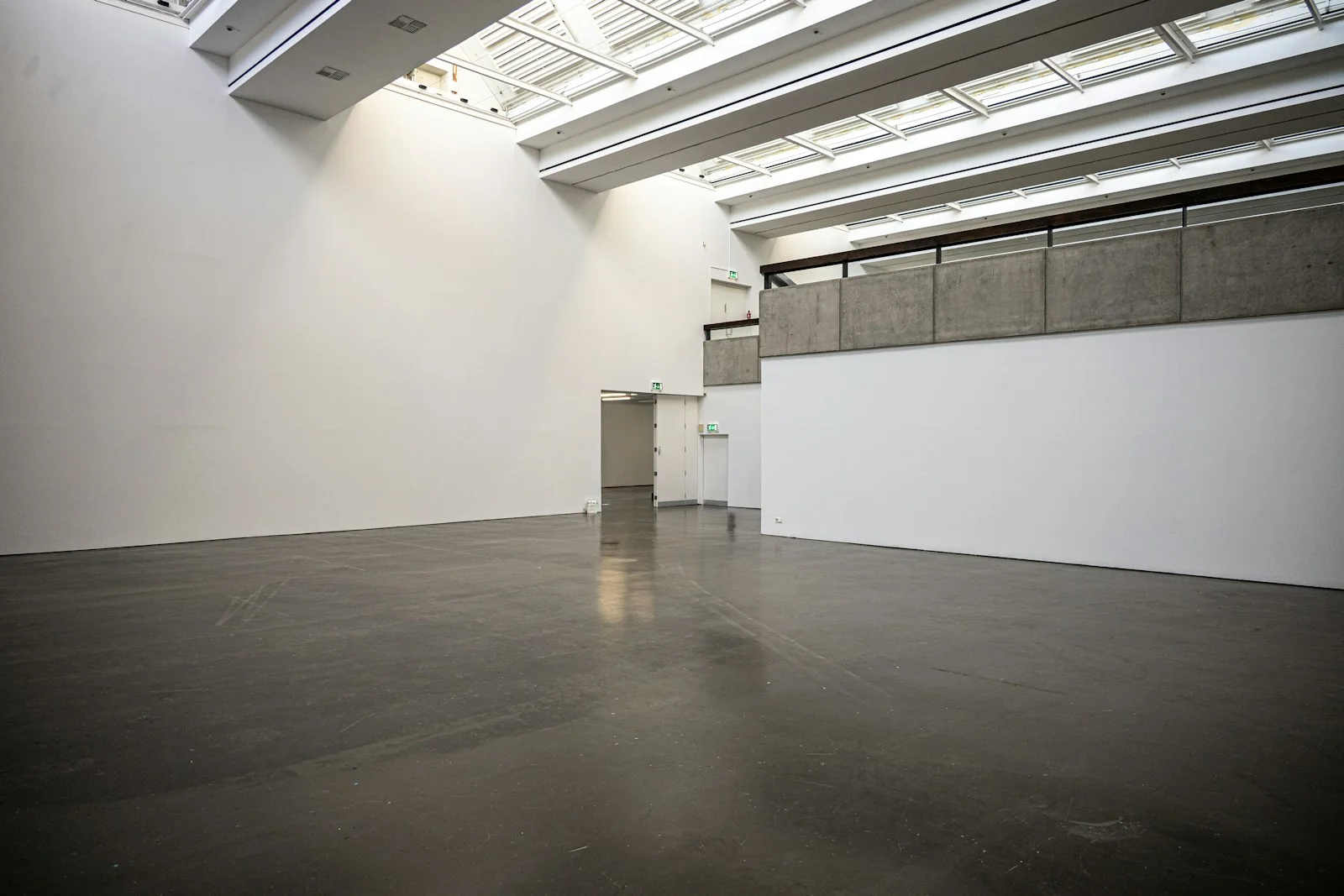
Ask what can reasonably be achieved with your slab rather than relying on a reference photo alone. A stock image can show a design direction, but it does not establish the condition of your concrete or guarantee a particular final appearance.
Compare the whole project, not only the shine
Before your consultation, note the approximate floor area, any visible repairs, previous finishes, and how soon you need the room back in use. Photos of the entire space can help frame the discussion, but an on-site evaluation may still be needed to understand the concrete.
When weighing options for a Northeast Ohio residential or commercial floor, compare preparation, finish selection, expected use, and long-term care. DiFranco Epoxy can help you explore which direction is appropriate for your space and discuss project-specific options. Contact (440) 862-6056 or ddifranco@idepoxy.com for a free consultation.
Further reading
- Decorative flake, polyaspartic and quartz systems — Sika
- Smooth and aggregate-broadcast epoxy systems — Sika
- Plain, polished and sealed concrete — Sherwin-Williams
General guidance only. Product requirements and site conditions determine the final flooring specification. Stock photography is illustrative and is not presented as a DiFranco installation or a named color example. Photo license.
This starter archive entry was added during the blog launch with an editorial archive date. Updated October 9, 2026.